
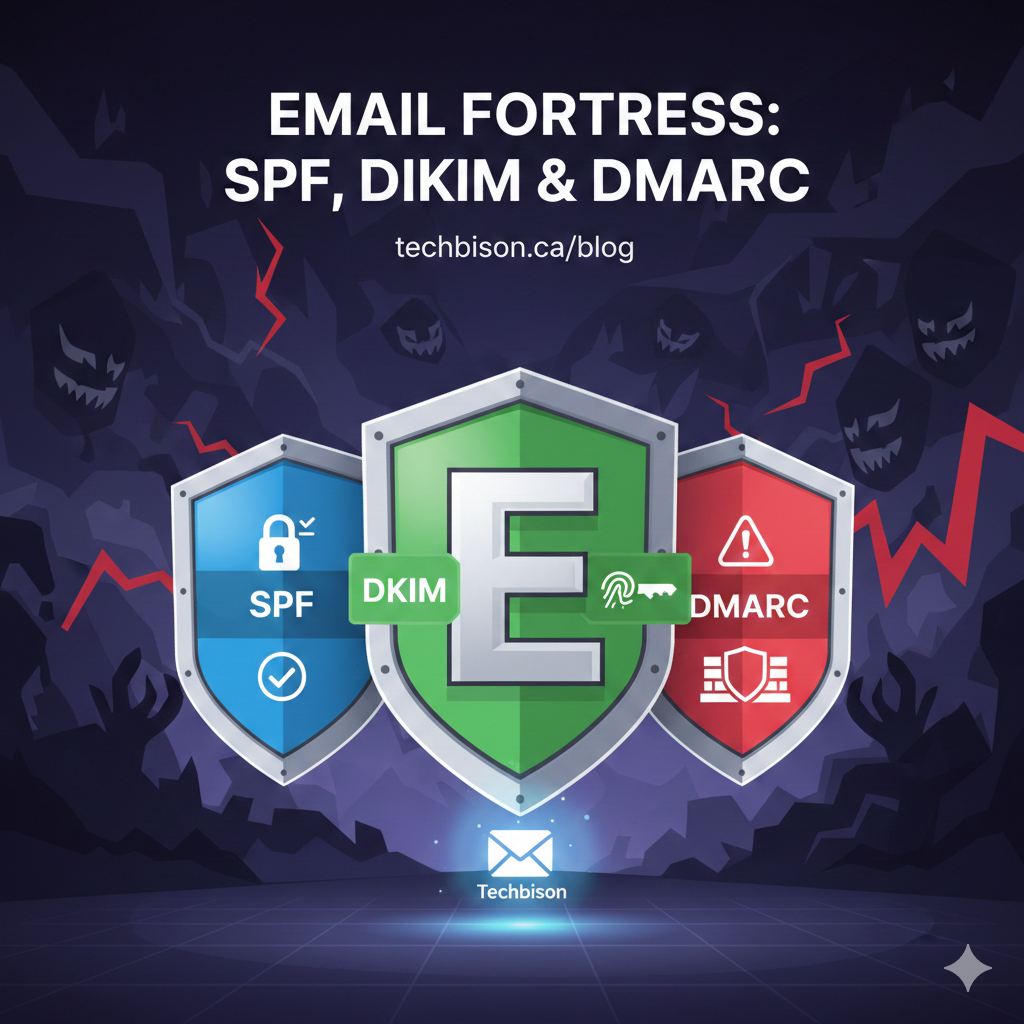
Email security is essential in safeguarding your communications and protecting sensitive information. In today's digital landscape, protocols such as DKIM, DMARC, and SPF play a crucial role in this protective framework. By understanding and implementing these technologies, individuals and organizations can effectively mitigate the risk of email spoofing and phishing attacks.
DomainKeys Identified Mail (DKIM) adds a digital signature to your email messages. This signature is verified by the receiving mail server, which ensures the authenticity of the messages sent from your domain. DKIM helps establish trustworthiness and significantly reduces the likelihood that recipients will mark your emails as spam.
Sender Policy Framework (SPF) and Domain-based Message Authentication, Reporting, and Conformance (DMARC) work in conjunction with DKIM to enhance email security. SPF verifies that the sending server is authorized to send emails for your domain, while DMARC provides instructions to email receivers on how to handle emails that fail authentication checks. Together, these protocols form a robust defense against email impersonation, ensuring that your correspondence remains secure and delivers a reliable experience.
Implementing DKIM, DMARC, and SPF is not just a best practice; it is essential for maintaining the integrity of your email communications. By establishing these protocols, you can protect your brand reputation and foster trust among your users.